


Understanding EU Sanctions Delisting
In recent years, the European Union (EU) has implemented a range of sanctions against individuals and entities as part of its foreign policy. However, circumstances can change, and there are specific procedures in place for the delisting of sanctioned parties. This article delves into the nuances of EU sanctions delisting, exploring the processes involved, common challenges, and why seeking professional legal guidance, like that offered by EU Sanctions Delisting Sanctions Lawyers, is crucial for those affected.
What Are EU Sanctions?
EU sanctions are restrictive measures imposed by the European Union against countries, individuals, or entities to promote foreign policy goals, maintain international peace and security, or uphold human rights. These sanctions can take various forms, including economic sanctions, travel bans, and asset freezes. They serve as a tool for the EU to exert pressure on those whose actions contravene international norms or threaten security.
Reasons for Sanctions Delisting
Delisting refers to the removal of an individual or entity from a sanctions list. This can occur for a variety of reasons, including:
- Changes in circumstances that negate the reasons for sanctions.
- Successful legal appeals challenging the basis of the sanctions.
- Improvements in the behavior of the sanctioned party that align with EU policies.
The Delisting Process
The delisting process in the EU is governed by specific regulations and can be quite intricate. It typically involves the following stages:
- Application for Delisting: A sanctioned individual or entity must formally apply for delisting. This application often requires comprehensive documentation and evidence supporting the request.
- Review by Authorities: The relevant EU authorities conduct a thorough review of the application. This process involves evaluating the applications in light of international law and EU regulations.
- Possible Hearings or Consultations: In some cases, hearings may be conducted to allow the sanctioned party to present their case more effectively.
- Decision: Finally, a decision is made regarding the delisting request. If approved, the sanctioned party is officially removed from the sanctions list.
Legal Challenges in the Delisting Process
Challenges can arise at various points in the delisting process. Sanctioned individuals or entities may face difficulties in compiling the necessary documentation or proving that their circumstances have changed. Moreover, the legal framework surrounding sanctions and delisting can be complex, often requiring expert knowledge to navigate effectively. Legal representation plays a crucial role in ensuring that the application is comprehensive and persuasive.
The Importance of Legal Expertise
The intricacies of the EU sanctions delisting process often necessitate the assistance of legal professionals specializing in sanctions law. Sanctions Lawyers possess the requisite expertise to enhance the likelihood of success in delisting applications. They can provide guidance on the necessary documentation, represent clients during hearings, and navigate the legal labyrinth of EU regulations and procedures.
Case Studies of Successful Delistings
Several notable cases highlight the successful navigation of the delisting process. These cases involve parties that presented compelling evidence of changed circumstances or legal grounds for their removal from sanctions lists. The outcomes demonstrate how diligent work and legal representation can achieve favorable results, ultimately allowing individuals or entities to resume their operations and restore their reputations.
Recent Developments in EU Sanctions Delisting
The landscape of EU sanctions is continually evolving, with periodic reviews and changes to listings. As geopolitical situations shift, new grounds for delisting m
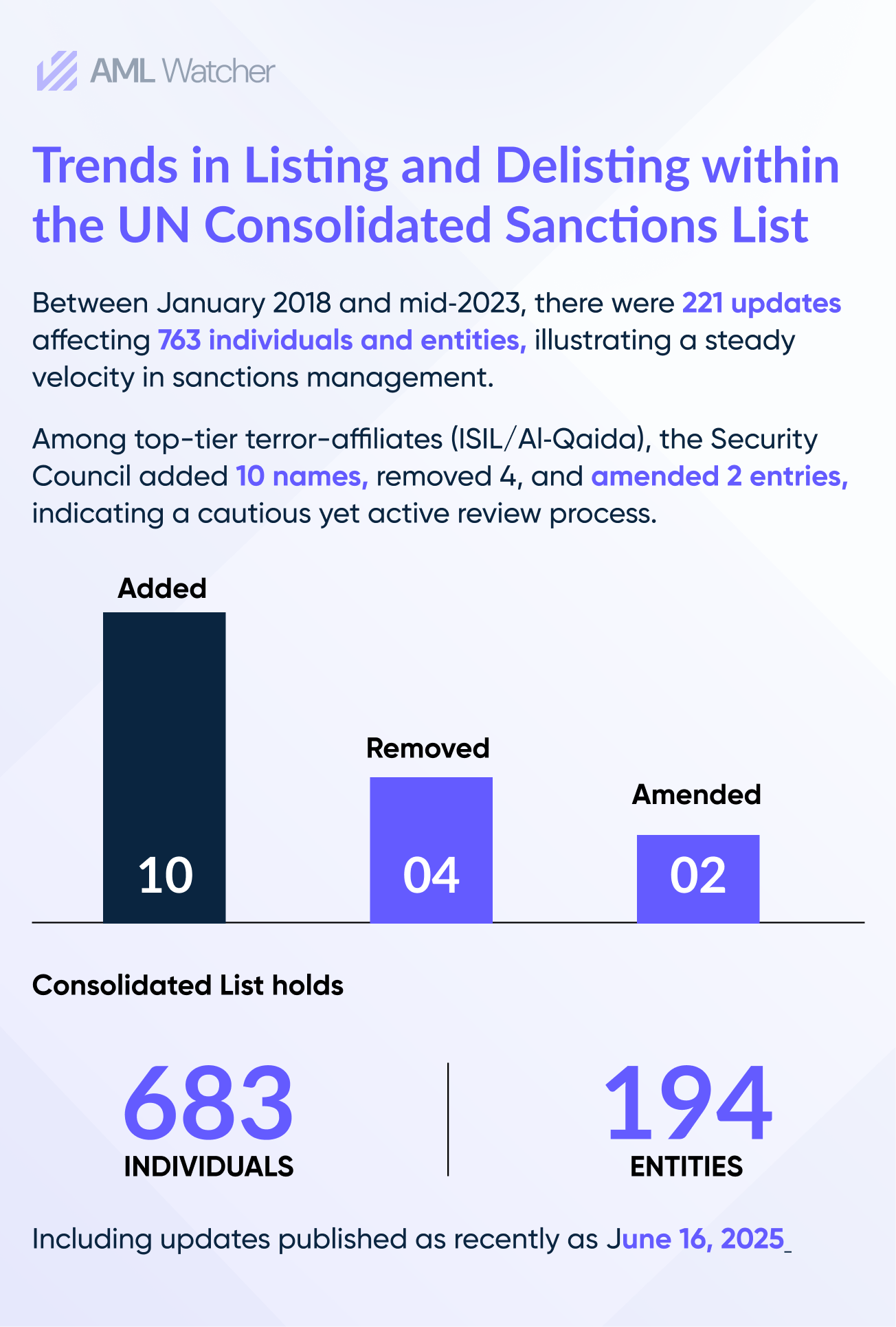
ay emerge, prompting parties to reassess their status. Staying abreast of recent developments is crucial for those seeking to navigate the complexities of sanctions law effectively.
Conclusion
The delisting process in the context of EU sanctions is a vital avenue for individuals and entities seeking to reclaim their rights and operations after being subjected to restrictive measures. Understanding the steps involved, potential challenges, and the necessity of legal expertise is paramount for those embroiled in this complex area of law. By working with experienced legal professionals, sanctioned parties can improve their chances of achieving a successful delisting outcome.

