


Human rights are the fundamental rights and freedoms that belong to every person in the world, from birth until death. The European Court of Human Rights (International Human Rights Litigation (ECHR / UN) Human Rights Lawyer) (ECHR) plays a crucial role in safeguarding these rights within the jurisdiction of its member states. Established in 1959 by the Council of Europe, the ECHR has become a pillar of European human rights protection, addressing violations through a structured and influential litigation process.
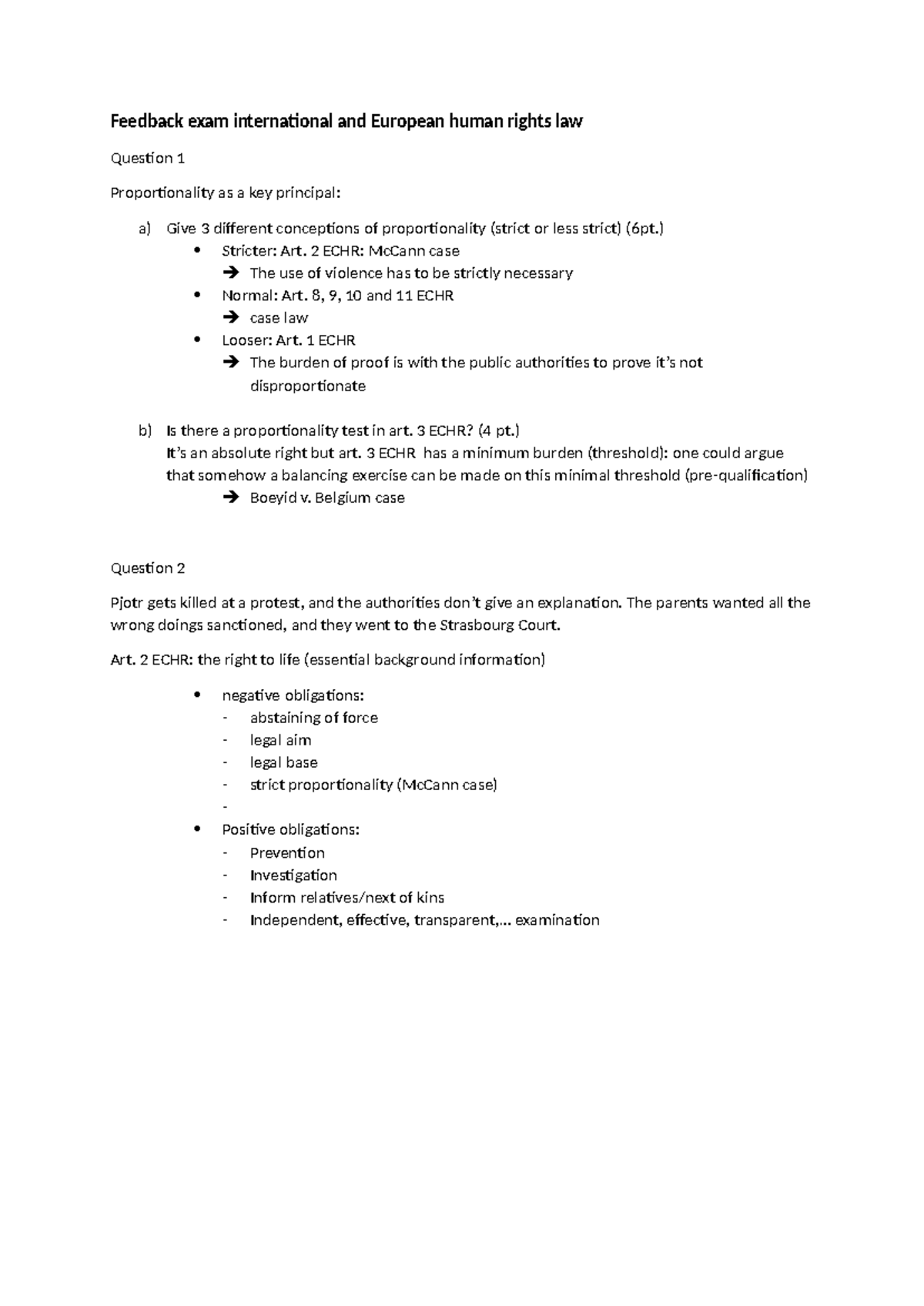
The legal framework of the ECHR is established by the European Convention on Human Rights, which enumerates a wide range of rights, including the right to life, prohibition of torture, and the right to a fair trial. Member states are obligated to adhere to these principles, and individuals have the right to bring cases against them before the court if they feel their rights have been violated.
The Mechanism of Litigation
Litigating a case before the ECHR involves several stages, starting with the application submission by an individual or a group claiming to be a victim of human rights violations. Upon receiving the application, the court conducts an initial examination to decide whether it is admissible. Several criteria determine admissibility, including the requirement that all domestic remedies have been exhausted, the application must be made within six months of the final decision in the domestic courts, and it must not be manifestly ill-founded.
If an application passes this initial stage, the court then accepts the case for examination. This process sometimes involves written submissions, hearings, and the review of evidence presented by both the applicant and the state concerned. The ECHR typically aims to deliver judgments within a reasonable timeframe, although backlog issues have led to delays in some cases.
Landmark Cases
The ECHR has delivered numerous landmark judgments that have influenced international human rights law and set important precedents. One significant case is Handyside v. United Kingdom (1976), where the court recognized the importance of freedom of expression, ruling that even controversial viewpoints deserve protection under the convention.
Another notable case is Soering v. United Kingdom (1989), which addressed the issue of extradition and the risk of inhumane treatment. The court held that extraditing a person to a country where they faced the death penalty would violate Article 3 of the Convention, which prohibits torture and inhumane or degrading treatment.
Cases like Öcalan v. Turkey (2005) and Hirst v. United Kingdom (2005) have also had far-reaching implications, particularly regarding the rights of political prisoners and the disenfranchisement of prisoners, respectively. These cases demonstrate the court’s role as not just a legal body but as a moral arbiter of human dignity.
The Impact of ECHR Rulings
The rulings of the ECHR have significant implications for member states. When the court finds that a state has violated the Convention, the country is typically required to take corrective measures. These can include compensating the victim, revising domestic laws, or changing practices to ensure compliance with the Convention.
Moreover, the court’s jurisprudence has led to the alignment of domestic laws with international human rights standards across Europe. Countries often modify their laws and practices in response to the court’s judgments, promoting a culture of human rights and legal reform. This ripple effect enhances the human rights landscape not just in Europe, but also sets an example for other regions globally.
Challenges in Human Rights Litigation
Despite its successes, the ECHR faces several challenges. One major issue is the backlog of cases, which has grown over the years due to the increasing number of applications received by the court. This backlog can delay justice for victims of human rights abuses and strain the resources of the court. Furthermore, political factors sometimes influence states‘ compliance with the court’s rulings, leading to tensions between national interests and international human rights obligations.
Another challenge includes the need for greater clarity in interpretative approaches. The court aims to maintain a balance between respecting national sovereignty and safeguarding individual rights. However, this balance often leads to conflicting interpretations and varying levels of enforcement among member states. As human rights issues evolve, so too must the court’s approach to interpretation and rulings.
Future Directions
As we look towards the future, the role of the ECHR in international human rights litigation will remain critical. The court must continue adapting to emerging human rights challenges, including those posed by technological advancements, social media, and global crises such as pandemics and mass migration. Addressing these issues requires innovative legal approaches and a commitment to ensuring that all individuals‘ rights are protected.
Furthermore, the court’s ongoing dialogue with national jurisdictions is essential. Strengthening cooperation and understanding between the ECHR and domestic courts can facilitate better implementation of human rights standards and create a more cohesive legal framework across Europe.
Conclusion
International human rights litigation, particularly through the European Court of Human Rights, serves as a fundamental mechanism for enforcing the rights enshrined in the European Convention on Human Rights. The ECHR’s achievements in advancing human rights law are significant, yet the court must navigate an evolving landscape marked by challenges and complexities. By fostering a strong commitment to human rights and promoting adherence to its rulings, the ECHR can continue to be a beacon of justice for individuals seeking remedy for human rights violations.

